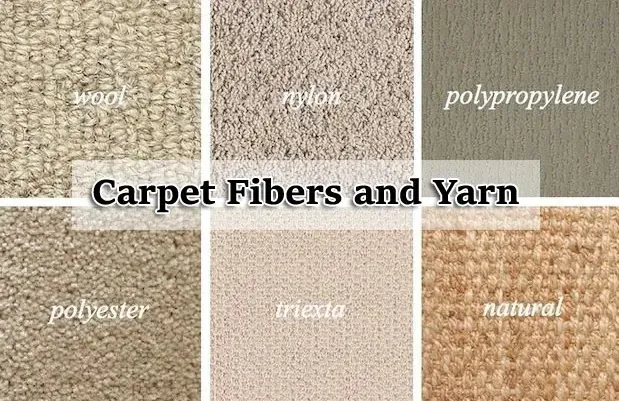

Carpets made with olefin (polypropylene) or polyester fibers are harder to professionally clean than nylon carpets due to differences in their fiber chemistry, stain resistance, and soil retention characteristics. Here is why:
1. Olefin (Polypropylene)
a. Oil Attraction (Oleophilic)
- Olefin is oleophilic, meaning it attracts and holds onto oils (body oils, cooking oils, greasy residues).
- These oily soils can bond to the fiber, making them difficult to remove with water-based cleaning methods.
b. Low Absorbency
- Olefin is hydrophobic (repels water), so water-based cleaning solutions don’t penetrate the fibers well.
- This limits the effectiveness of hot water extraction methods.
c. Wicking Issues
- Because of its structure, stains that soak into the backing can wick back to the surface after cleaning, giving the appearance of re-soiling.
2. Polyester
a. Oil Retention
- Like olefin, polyester is also oleophilic, making it hard to remove greasy soils once they bind to the fiber.
b. Matting and Crushing
- Polyester tends to crush and mat more easily under traffic.
- This makes carpets look dirty even when cleaned, because the flattened fibers reflect light differently.
c. Limited Soil Hiding Ability
- Polyester has lower resilience than nylon, so it doesn’t hide dirt as well and can look dingy faster.
3. Nylon (Why It’s Easier to Clean)
- Not oleophilic, so oily soils are easier to remove.
- Hydrophilic enough to allow water-based solutions to work effectively.
- More resilient—stands up to traffic and cleaning better.
- Often treated with stain-resistant coatings, especially solution-dyed nylon.
Summary
| Fiber Type | Oil Attraction | Water Absorption | Soil Release | Cleaning Difficulty |
| Olefin | High | Very Low | Poor | High |
| Polyester | High | Low | Poor | High |
| Nylon | Low | Moderate | Good | Low |
Conclusion
Ask an old-timer about the introduction of nylon “stain resistant” carpets back in 1987. This is when using a pH 10 or below on most residential carpets became an industry standard because higher pH presprays could often strip off or affect the stain resistant chemistry added to these carpets. HydraMaster FASTBREAK HD is an example of a prespray with an in-use pH less than 10. Today, most of the more popular carpet pre-sprays have a higher pH because that is what it takes to get the oleophilic fibers like olefin and polyester clean. Products like HydraMaster Blitz with GreaseBreaker, Quake HD, PolyBreak, SoilBreak, or MAXXTREME have proven to be more effective on these types of carpets.
Leave a Reply